

Industry News
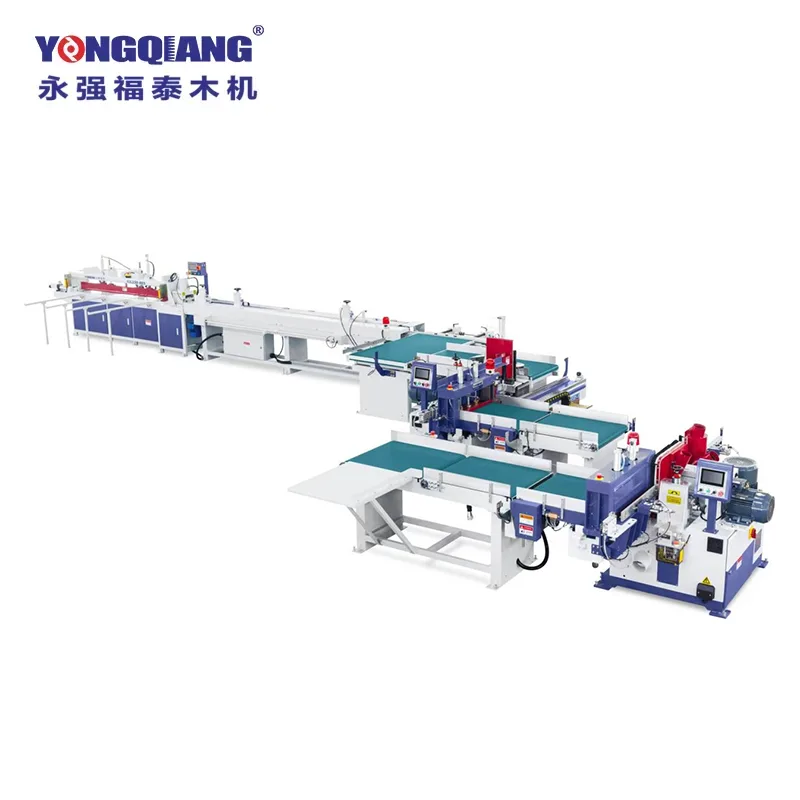
How Do Finger Jointing Machines and Lines Improve Wood Processing Efficiency?
Finger Jointing Machines and Lines have become an important solution for wood manufacturers seeking to turn shorter wood pieces into longer, stable, and commercially useful components. By combining accurate end profiling, adhesive application, alignment, pressing, and controlled feeding, a modern fi......
Read More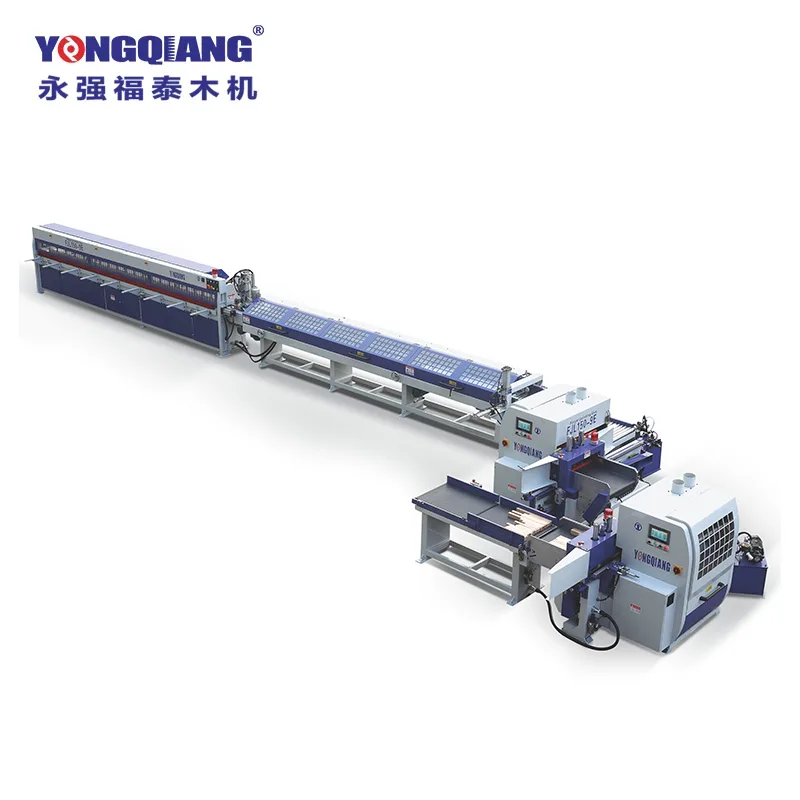
How Do Constructional Timber Lines Improve Modern Wood Processing?
Constructional timber is widely used for buildings, roof structures, wall frames, floors, packaging, infrastructure, and other demanding applications. As construction projects become more standardized while requiring tighter dimensional tolerances, timber processors need production systems that can ......
Read More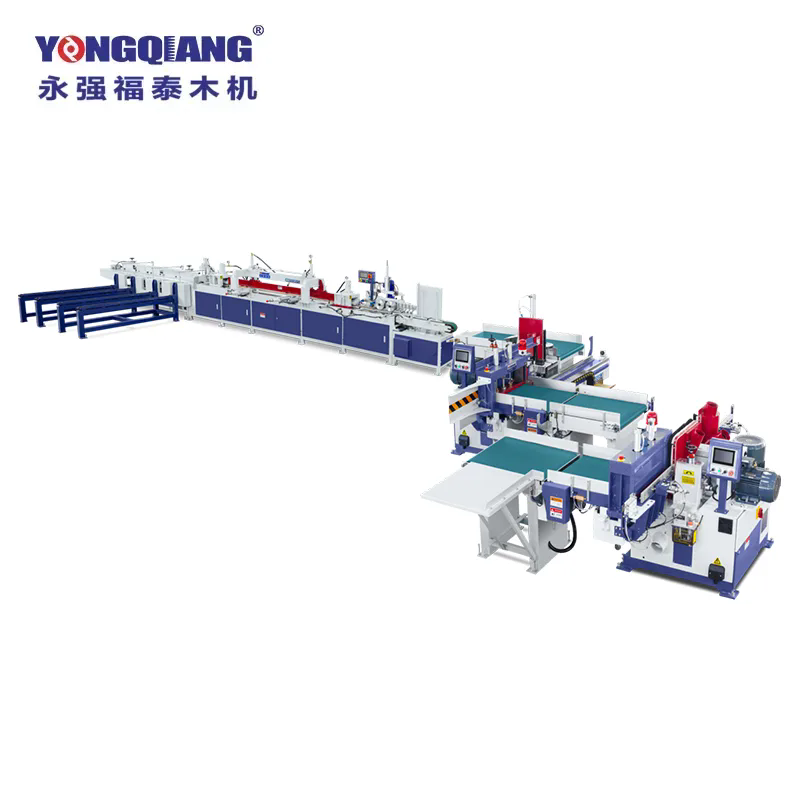
When outdated finger joint lines drag down timber factory long-term TCO performance?
Global furniture makers, engineered timber plants and wooden pallet manufacturers face four long-term hidden cost losses when relying on semi-automatic or low-grade finger joint equipment: heavy manual dependence inflates recurring labor expenditure amid rising regional manufacturing wages; unstable......
Read More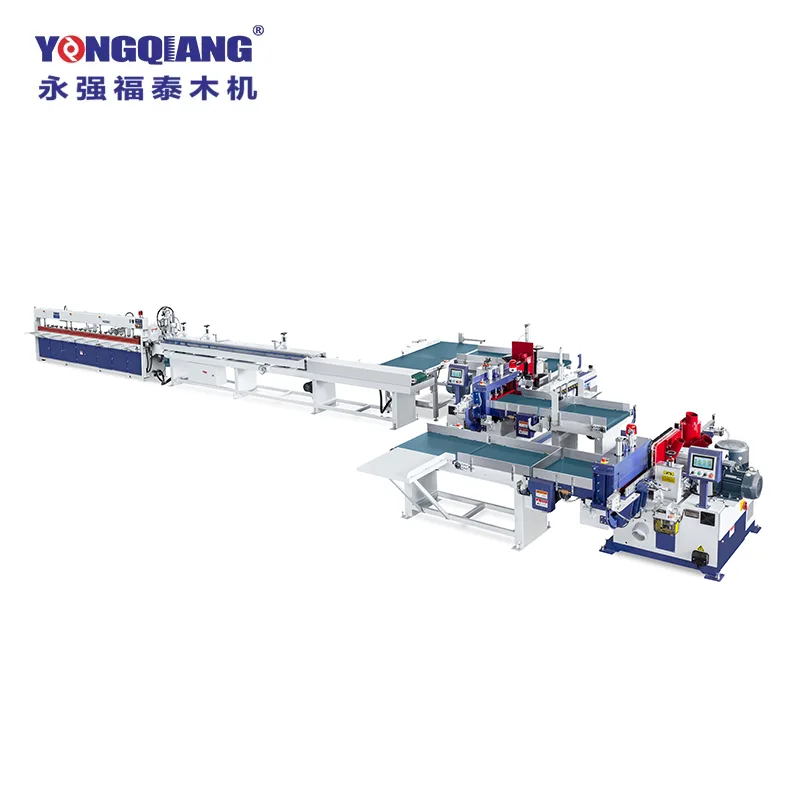
How Do Long Timber Horizontal Finger Jointing Lines Improve Modern Wood Processing Efficiency?
Long timber horizontal finger jointing lines have become an essential solution for wood manufacturers seeking higher productivity, stronger timber connections, and reduced material waste. This article explains how advanced finger jointing technology helps solve common production challenges, improves......
Read More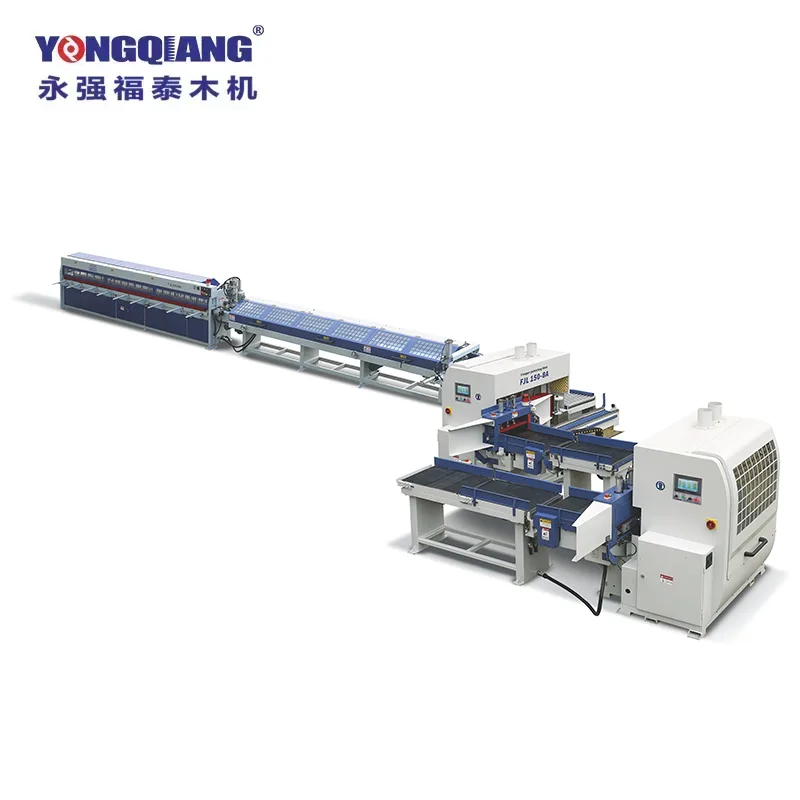
What Makes Horizontal Auto Finger Jointing Lines Essential for Modern Woodworking Production?
Horizontal Auto Finger Jointing Lines have become a key solution for woodworking manufacturers seeking higher productivity, stronger wood connections, and reduced material waste. As furniture, flooring, construction, and engineered wood industries continue to demand precision and efficiency, tradit......
Read More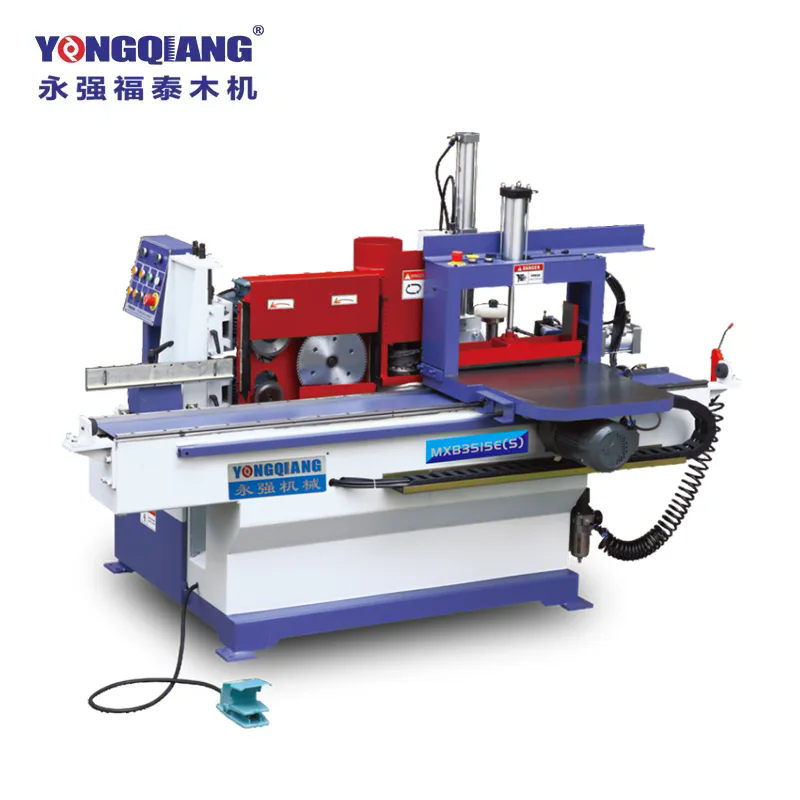
What Hidden Production Losses Can Integrated Finger Joint Shapers Eliminate For Timber Processing Plants?
Countless furniture and engineered wood factories still split tooth cutting and gluing into two separate standalone machines, which creates multiple invisible cost drains throughout daily production. Discrete equipment requires extra staff for material transfer, generates massive glue waste from man......
Read More