

How Do Long Timber Horizontal Finger Jointing Lines Improve Modern Wood Processing Efficiency?
Long timber horizontal finger jointing lines have become an essential solution for wood manufacturers seeking higher productivity, stronger timber connections, and reduced material waste. This article explains how advanced finger jointing technology helps solve common production challenges, improves processing accuracy, and supports large-scale timber manufacturing. From equipment structure and working principles to application advantages and purchasing considerations, this guide provides practical insights for companies planning to upgrade their woodworking production lines.
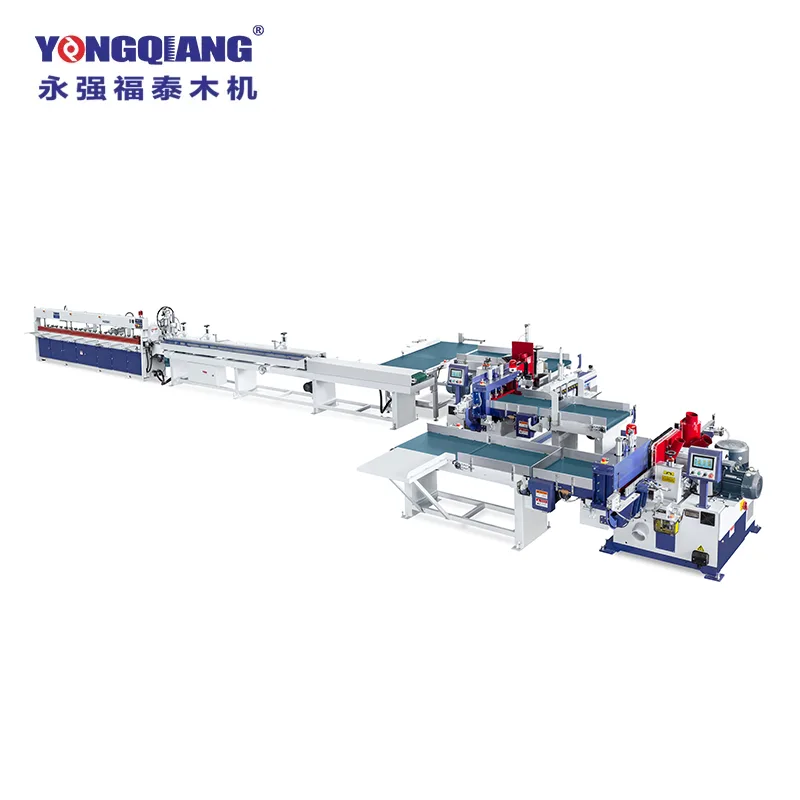
Table of Contents
- 1. What Are Long Timber Horizontal Finger Jointing Lines?
- 2. What Production Problems Can These Lines Solve?
- 3. How Do Long Timber Horizontal Finger Jointing Lines Work?
- 4. What Advantages Do Modern Finger Jointing Lines Provide?
- 5. Key Differences Between Traditional and Advanced Finger Jointing Systems
- 6. Where Are Long Timber Horizontal Finger Jointing Lines Used?
- 7. How to Choose the Right Finger Jointing Line?
- 8. Future Trends in Timber Finger Jointing Technology
- 9. Frequently Asked Questions
- 10. Improve Your Timber Production Capability
What Are Long Timber Horizontal Finger Jointing Lines?
Long timber horizontal finger jointing lines are specialized woodworking production systems designed to connect multiple pieces of timber into longer and stronger structural components. Unlike traditional joining methods that rely on adhesives, nails, or mechanical fasteners, finger jointing uses precisely machined interlocking profiles that create stable connections with excellent strength performance.
The horizontal design allows timber pieces to be processed continuously along their length, making it particularly suitable for manufacturers producing laminated wood, structural beams, furniture materials, door components, and construction timber products.
With increasing demand for high-quality wood products and efficient manufacturing processes, many companies are upgrading from manual or semi-automatic equipment to fully integrated long timber horizontal finger jointing lines.
Main Functions Include:
- Automatic timber feeding and positioning
- High-precision finger profile cutting
- Strong adhesive application
- Accurate horizontal pressing and joining
- Continuous production of extended timber lengths
- Reduced labor requirements and material waste
What Production Problems Can These Lines Solve?
Wood processing companies often face several challenges when producing long timber products. Traditional methods may create inconsistent quality, low production speed, and unnecessary material losses. Long timber horizontal finger jointing lines are developed specifically to overcome these limitations.
| Common Production Challenge | Impact on Manufacturers | Finger Jointing Solution |
|---|---|---|
| Short timber pieces cannot meet length requirements | Limited product sizes and increased waste | Combines multiple pieces into longer continuous timber |
| Manual joining processes | Low efficiency and unstable quality | Automated production improves consistency |
| Weak traditional connections | Reduced product durability | Interlocking finger structures increase bonding strength |
| High labor costs | Lower production profitability | Automation reduces dependence on manual operation |
| Material defects and waste | Higher raw material consumption | Optimized cutting improves timber utilization |
For modern woodworking factories, improving production efficiency is not only about increasing output. It also requires better resource management, stable product quality, and flexible manufacturing capabilities. Advanced finger jointing equipment provides a practical solution for achieving these goals.
How Do Long Timber Horizontal Finger Jointing Lines Work?
A long timber horizontal finger jointing line usually combines several processing stages into one continuous workflow. Each stage contributes to producing strong, accurate, and reliable timber connections.
-
Timber Preparation:
Raw timber materials are inspected, sorted, and cut into suitable sizes before entering the production line. -
Precision Finger Cutting:
Specialized cutting units create matching finger profiles on timber ends. The accuracy of this process directly affects final joint strength. -
Adhesive Application:
A controlled adhesive system applies the correct amount of glue to ensure reliable bonding between connected timber pieces. -
Horizontal Pressing:
The prepared timber sections are pressed together under controlled pressure, creating a strong and stable joint. -
Quality Inspection:
Modern production systems may include monitoring functions to check alignment, pressure, and finished product quality.
The horizontal processing method provides excellent stability because timber remains aligned during the joining process. This helps manufacturers achieve consistent dimensions and reduce defects caused by uneven positioning.
What Advantages Do Modern Finger Jointing Lines Provide?
Choosing advanced long timber horizontal finger jointing lines can significantly improve the overall performance of a woodworking factory. These systems are designed not only for speed but also for precision, reliability, and long-term production value.
| Advantage | Production Benefit |
|---|---|
| Higher Processing Speed | Continuous operation increases daily production capacity. |
| Improved Joint Strength | Precisely formed finger connections provide durable timber structures. |
| Better Material Utilization | Short or imperfect timber pieces can be reused effectively. |
| Stable Product Quality | Automatic control reduces human operation errors. |
| Lower Operating Costs | Reduced labor demand improves production economics. |
| Flexible Applications | Suitable for different timber sizes and manufacturing industries. |
For companies producing large quantities of timber components, these advantages directly influence competitiveness. Higher efficiency, lower waste, and improved product consistency allow manufacturers to respond better to market demands.
Key Differences Between Traditional and Advanced Finger Jointing Systems
| Feature | Traditional Processing | Modern Horizontal Finger Jointing Line |
|---|---|---|
| Production Method | Manual or semi-automatic operation | Integrated automatic processing |
| Accuracy | Depends heavily on operators | Controlled by precision machinery |
| Production Capacity | Limited output | Suitable for large-scale manufacturing |
| Material Efficiency | Higher waste rate | Optimized timber utilization |
| Labor Requirement | Requires more workers | Reduced manual involvement |
Where Are Long Timber Horizontal Finger Jointing Lines Used?
Long timber horizontal finger jointing lines are widely applied in industries that require strong, stable, and precisely manufactured timber components. Their ability to transform shorter wood pieces into longer structural materials makes them valuable for both traditional woodworking and modern industrial production.
-
Construction Timber Manufacturing
Finger jointing lines help produce long-length structural timber used in buildings, wooden frames, flooring systems, and engineered wood structures. -
Furniture Production
Furniture manufacturers use finger-jointed timber to create stable panels, frames, legs, and decorative components with excellent appearance and durability. -
Door and Window Manufacturing
High-quality timber connections improve dimensional stability and extend the service life of wooden doors and window frames. -
Laminated Wood Production
The equipment supports the manufacturing of glued laminated timber and other engineered wood products requiring consistent strength. -
Wood Recycling and Resource Optimization
Manufacturers can reuse shorter timber pieces that would otherwise become waste, improving overall material efficiency.
As environmental awareness increases globally, efficient timber utilization has become an important factor for woodworking companies. Long timber horizontal finger jointing lines help manufacturers maximize the value of raw materials while maintaining product performance.
How to Choose the Right Finger Jointing Line?
Selecting suitable woodworking equipment requires careful consideration of production requirements, timber characteristics, and long-term business goals. A well-matched finger jointing line can improve efficiency while reducing maintenance and operational challenges.
| Selection Factor | Important Considerations |
|---|---|
| Production Capacity | Choose equipment according to daily output requirements and future expansion plans. |
| Timber Size Compatibility | Confirm that the machine supports required timber thicknesses, widths, and lengths. |
| Automation Level | Higher automation reduces labor dependence and improves production stability. |
| Precision Performance | Accurate cutting and pressing systems directly affect final joint quality. |
| Maintenance Requirements | Reliable machine structures and easy maintenance designs reduce downtime. |
| Technical Support | Professional after-sales service ensures long-term equipment operation. |
Before purchasing, manufacturers should evaluate not only the initial equipment cost but also production efficiency, energy consumption, maintenance expenses, and expected return on investment.
Important Factors to Evaluate:
- Machine stability during continuous operation
- Quality of cutting tools and mechanical components
- Ease of operation and adjustment
- Production speed and output consistency
- Manufacturer experience and technical capability
Future Trends in Timber Finger Jointing Technology
The woodworking industry is continuously moving toward automation, intelligence, and sustainable manufacturing. Future long timber horizontal finger jointing lines are expected to include more advanced technologies that improve efficiency and production control.
-
Higher Automation Integration:
Future systems will combine automatic feeding, intelligent detection, and production monitoring to reduce manual intervention. -
Smart Manufacturing Management:
Digital control systems will allow manufacturers to monitor production data and optimize machine performance. -
Energy-Efficient Designs:
New equipment designs focus on reducing energy consumption while maintaining high productivity. -
Improved Precision Control:
Advanced sensors and control systems will further improve joint accuracy and product consistency. -
More Sustainable Wood Processing:
Efficient material utilization will continue to support environmentally responsible manufacturing.
These developments will help woodworking companies achieve higher productivity while meeting increasing expectations for quality, sustainability, and cost efficiency.
Why Work With an Experienced Finger Jointing Line Manufacturer?
Choosing an experienced equipment manufacturer is essential for companies investing in long-term woodworking solutions. Professional manufacturers provide not only machinery but also technical expertise, production recommendations, and customized solutions based on different manufacturing needs.
Guangdong Shunde Yongqiang Futai Intelligent Woodworking Machinery Co., Ltd. specializes in intelligent woodworking machinery solutions and focuses on providing reliable equipment for modern wood processing industries. With advanced manufacturing technology and experience in woodworking automation, the company supports customers in improving production efficiency, product quality, and operational stability.
Why Choose Professional Woodworking Machinery Solutions?
- Customized equipment solutions according to production requirements
- Stable machine performance for continuous industrial operation
- Advanced processing technology for improved accuracy
- Professional technical support throughout equipment operation
- Solutions designed for higher productivity and lower production waste
Frequently Asked Questions
Q1: What is the main purpose of long timber horizontal finger jointing lines?
These production lines are designed to connect shorter timber pieces into longer wood components through precision finger joints. They improve material utilization, production efficiency, and final product strength.
Q2: Are finger-jointed timber products strong enough for construction applications?
Yes. When produced with accurate machining and proper adhesive bonding, finger-jointed timber can provide excellent structural stability and durability for many construction and woodworking applications.
Q3: What types of wood can be processed by finger jointing lines?
Most common hardwood and softwood materials can be processed, depending on machine specifications and production requirements. Manufacturers should confirm compatibility before selecting equipment.
Q4: How can manufacturers improve production efficiency with these machines?
Manufacturers can improve efficiency by selecting automated finger jointing systems, optimizing workflow design, maintaining equipment properly, and using professional production solutions.
Improve Your Timber Production Capability
Modern woodworking companies need equipment that delivers reliable performance, high precision, and long-term value. Long timber horizontal finger jointing lines provide an effective solution for manufacturers looking to improve timber processing efficiency, reduce waste, and produce stronger wood products.
With advanced woodworking technology and professional manufacturing experience, Guangdong Shunde Yongqiang Futai Intelligent Woodworking Machinery Co., Ltd. is committed to helping customers build efficient and intelligent timber processing systems.
Contact us today to discuss your production requirements and discover a suitable intelligent woodworking solution designed for higher efficiency, better quality, and sustainable growth.