

When outdated finger joint lines drag down timber factory long-term TCO performance?
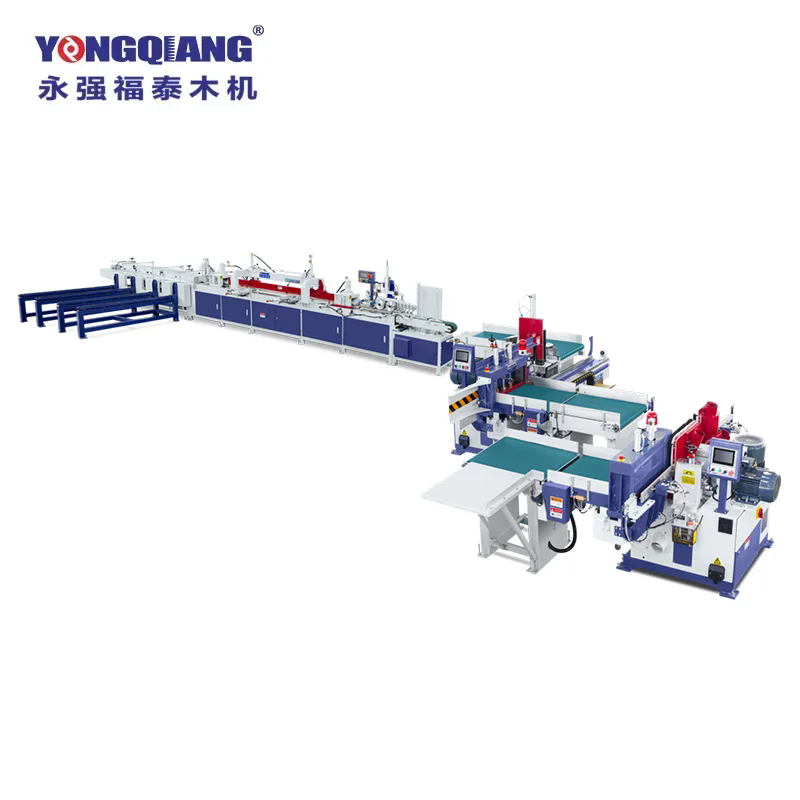
Global furniture makers, engineered timber plants and wooden pallet manufacturers face four long-term hidden cost losses when relying on semi-automatic or low-grade finger joint equipment: heavy manual dependence inflates recurring labor expenditure amid rising regional manufacturing wages; unstable tooth precision and uneven gluing push finished product reject rates higher, wasting valuable raw timber; uncertified machinery fails EU EN 60204 & Machinery Directive audits and blocks cross-border equipment imports; fragmented single-process units generate frequent downtime and elevate yearly maintenance outlay. Yongqiang Futai fully automatic integrated finger jointer realizes unmanned full-cycle production with servo precision control, complete CE & ISO compliance and low-lifetime maintenance design, cutting labor waste, timber scrap and overseas compliance barriers for wood processing enterprises worldwide.
1. Integrated unmanned workflow slashes recurring manual labor overhead
Traditional split finger joint production requires multiple workers for feeding, tooth cutting, gluing and pressing links, and the woodworking sector faces severe labor shortages with year-on-year salary growth across Europe and Southeast Asia. Semi-automatic lines still need 3–4 dedicated staff per shift, while this full-automatic jointer adopts closed-loop conveyor operation covering all processing steps. Only one staff member is required for routine monitoring, directly cutting over 80% labor input per production line. Long-term operation data from overseas timber factories verifies tens of thousands of annual labor cost savings, easing pressure from tight skilled worker supply chains.
2. Servo tooth shaping & quantitative gluing cuts high-value timber scrap loss
Ordinary manual feeding equipment produces irregular tooth profiles, burrs and uneven glue layers, leading to joint cracking and unqualified semi-finished goods that must be scrapped. High-grade hardwood raw materials account for the largest share of factory operating costs, and repeated defective products drastically compress profit margins. This machine equips dedicated servo spindle systems with fixed tooth pitch parameters and intelligent quantitative glue control modules. Uniform high-pressure bonding keeps finished product qualification rate above 99%, improving lumber utilization by recycling short offcuts into standard jointed timber and reducing raw material waste for hardwood processing workshops.
3. Full harmonized standard certification eliminates EU market entry barriers
Many generic finger joint machines lack complete EN 60204 electrical safety, EN 1870 woodworking hazard protection and EMC test archives. European market surveillance authorities will detain shipments and suspend factory equipment import without full technical files and CE declaration. Yongqiang Futai’s equipment passes full 72-hour continuous load aging testing before delivery, with complete English compliance document packs covering machinery directive, low voltage and electromagnetic compatibility standards. Import distributors and factory buyers can finish local market filing and third-party inspection without supplementary testing fees or waiting cycles.
4. Thickened steel frame & international brand core parts lower annual maintenance TCO
Lightweight thin-frame joint machines deform under long-term 24-hour continuous load, with low-grade motors and pneumatic components triggering frequent breakdowns. Unplanned production halts create order delivery delays and extra repair labor costs. This jointer adopts integrally welded thick steel bed with anti-vibration structure, matched world-class PLC, servo motors and hydraulic assemblies. Dust-blocking and chip-prevention structures reduce daily cleaning workload, while wear-resistant cutter heads extend replacement intervals. Over a 10-year equipment service cycle, total maintenance and spare part expenditure is far lower than low-cost comparable models, optimizing factory total ownership cost curve.
5. Multi-parameter adjustable system adapts diversified timber processing orders
Single fixed-spec joint machines cannot switch between softwood and hardwood production freely, forcing factories to deploy separate lines for pine, oak and ash processing and raising equipment capital investment. The touchscreen intelligent control panel allows one-click adjustment of feeding speed, tooth depth, hydraulic pressure and glue output, compatible with timber thicknesses from 20mm to 150mm. Furniture, construction timber and pallet manufacturers can complete all short lumber jointing tasks on one single machine, avoiding redundant equipment procurement and idle asset waste.
6. Low-noise dust-suppressed design meets global green workshop regulations
High-vibration, unshielded old joint equipment generates excessive noise and flying wood dust, failing regional environmental protection audits and damaging on-site worker occupational health. The integrated machine body adds multi-layer noise reduction baffles and centralized vacuum dust extraction system, controlling workshop noise and dust concentration within international workplace safety limits. Factories pass environmental supervision inspections smoothly without extra dust removal renovation investment, supporting sustainable green production certification for export timber goods.