

How Can Compact Finger Jointing Lines Improve Wood Processing Efficiency?
Compact Finger Jointing Lines are becoming an essential solution for woodworking companies that need higher productivity, better material utilization, and stable product quality within limited factory space. This article explains how compact finger jointing technology works, why manufacturers choose these systems, the challenges they solve, their practical applications, and how advanced equipment helps businesses achieve more efficient wood production.
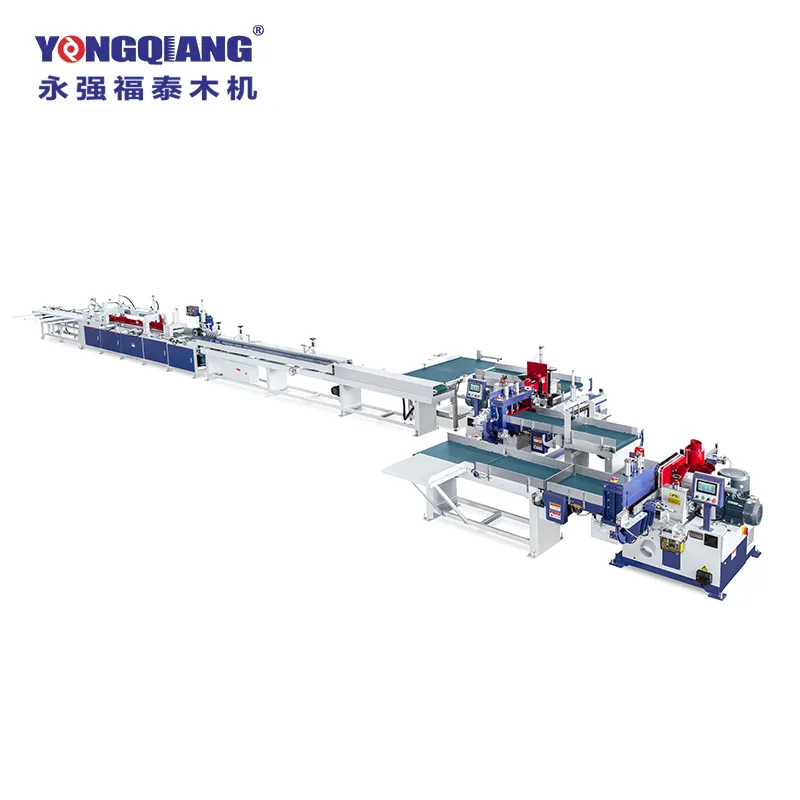
Table of Contents
- 1. What Are Compact Finger Jointing Lines?
- 2. What Production Problems Can Compact Finger Jointing Lines Solve?
- 3. Why Are Compact Finger Jointing Lines Important for Modern Woodworking?
- 4. How Do Compact Finger Jointing Lines Work?
- 5. Key Features of Advanced Compact Finger Jointing Systems
- 6. Compact Finger Jointing Lines vs Traditional Wood Joining Methods
- 7. Applications of Compact Finger Jointing Lines
- 8. How to Choose the Right Compact Finger Jointing Line?
- 9. Frequently Asked Questions
- 10. Improve Your Woodworking Production with Professional Solutions
What Are Compact Finger Jointing Lines?
The woodworking industry constantly searches for better ways to increase output while reducing production costs. Compact Finger Jointing Lines are designed to meet this demand by combining precision machining, automated feeding, finger profiling, gluing, and pressing processes into an efficient production system.
Unlike traditional woodworking equipment that requires multiple independent machines and large production areas, compact finger jointing systems integrate several processing steps into one streamlined solution. This allows manufacturers to produce longer and stronger wood components from shorter wood pieces while maximizing raw material usage.
A finger joint connection uses specially shaped interlocking profiles cut into the ends of wood pieces. After applying adhesive and applying pressure, the connected materials form a durable joint with excellent mechanical strength. This technology is widely used for producing laminated wood, furniture components, construction materials, and customized woodworking products.
What Production Problems Can Compact Finger Jointing Lines Solve?
Many woodworking manufacturers face similar challenges, including limited factory space, rising labor costs, material waste, and inconsistent product quality. Compact Finger Jointing Lines provide targeted solutions to these issues.
| Common Production Challenge | Impact on Manufacturers | Solution Provided by Compact Finger Jointing Lines |
|---|---|---|
| Limited production space | Difficulty installing multiple machines | Integrated design reduces equipment footprint |
| High material waste | Increased raw material expenses | Reuses shorter wood pieces efficiently |
| Manual processing dependency | Higher labor costs and slower production | Automated operation improves efficiency |
| Quality inconsistency | Unstable product performance | Precision machining ensures uniform joints |
| Low production capacity | Difficulty meeting market demand | Continuous processing increases output |
For many small and medium-sized woodworking factories, upgrading to a compact production line is not only an equipment investment but also a strategy to improve competitiveness.
Why Are Compact Finger Jointing Lines Important for Modern Woodworking?
Modern woodworking businesses must balance productivity, quality, and cost control. Compact Finger Jointing Lines support these goals by offering efficient production capabilities without requiring excessive factory expansion.
- Better Space Utilization: The compact structure allows manufacturers to maximize existing workshop space and avoid expensive facility expansion.
- Higher Material Efficiency: Finger jointing technology transforms shorter wood pieces into valuable finished materials, reducing waste and improving resource utilization.
- Stable Product Quality: Automated cutting and joining processes maintain accurate dimensions and consistent connection strength.
- Reduced Labor Requirements: Integrated automation decreases dependence on manual operations and improves workplace efficiency.
- Flexible Production Capability: Modern systems can process different wood types and sizes according to customer requirements.
Key Production Benefits:
- Higher production speed
- Lower material loss
- Improved joint strength
- Reduced operational costs
- More competitive woodworking solutions
How Do Compact Finger Jointing Lines Work?
Understanding the working process helps manufacturers evaluate whether a compact finger jointing system matches their production requirements. Although equipment designs may vary, most modern systems follow several essential steps.
- Wood Material Preparation: Wood pieces are selected, measured, and prepared according to production requirements.
- Precision Finger Profiling: Special cutting tools create accurate finger-shaped profiles on wood ends.
- Adhesive Application: High-quality adhesive is applied to ensure strong bonding between connected pieces.
- Automatic Alignment: The system accurately positions materials before pressing.
- Pressing and Curing: Controlled pressure creates a strong permanent connection.
- Final Processing: Joined materials are inspected and prepared for further woodworking processes.
The entire process is designed to maintain efficiency while ensuring reliable finished products. Advanced automation helps minimize human errors and improves production consistency.
Key Features of Advanced Compact Finger Jointing Systems
A high-quality Compact Finger Jointing Line should provide more than basic joining functions. Manufacturers should consider several important features when evaluating equipment performance.
| Feature | Production Advantage |
|---|---|
| Compact structural design | Saves factory space while maintaining productivity |
| High precision cutting system | Creates accurate finger profiles and strong joints |
| Automatic feeding system | Improves processing speed and reduces manual handling |
| Stable pressing mechanism | Ensures reliable bonding quality |
| User-friendly control system | Makes operation simpler and more efficient |
| Durable mechanical components | Supports long-term industrial operation |
Guangdong Shunde Yongqiang Futai Intelligent Woodworking Machinery Co., Ltd. focuses on developing intelligent woodworking machinery solutions designed to help manufacturers improve automation levels, production efficiency, and product quality.
Compact Finger Jointing Lines vs Traditional Wood Joining Methods
Wood manufacturers have traditionally relied on manual joining methods or separate processing machines to connect wood materials. While these approaches can complete basic tasks, they often create challenges related to production speed, labor requirements, and quality control.
Compact Finger Jointing Lines provide a more advanced approach by integrating multiple operations into one automated production solution. The following comparison highlights the differences between modern compact systems and traditional methods.
| Comparison Aspect | Traditional Wood Joining Methods | Compact Finger Jointing Lines |
|---|---|---|
| Production Process | Multiple independent steps requiring manual coordination | Integrated automatic processing system |
| Production Speed | Limited by manual operation efficiency | Continuous and stable production capability |
| Material Utilization | Higher waste from short wood pieces | Maximizes the value of leftover materials |
| Labor Requirement | Requires more operators | Reduces manual workload through automation |
| Joint Accuracy | Depends heavily on operator experience | Controlled by precision machining technology |
| Production Expansion | Difficult without additional space and equipment | Easy upgrade path for growing businesses |
For companies seeking long-term development, investing in automated finger jointing equipment can create significant advantages in manufacturing efficiency and market competitiveness.
Applications of Compact Finger Jointing Lines
Compact Finger Jointing Lines are widely used in various woodworking industries because they provide strong, stable, and economical wood connections. Their flexibility makes them suitable for manufacturers producing different types of wooden products.
- Furniture Manufacturing: Furniture producers use finger jointing technology to create stable panels, frames, table components, and customized wooden structures.
- Construction Wood Production: The technology helps manufacture longer wooden materials used in building structures, decorative materials, and engineered wood products.
- Door and Window Manufacturing: Finger jointed wood provides excellent dimensional stability for high-quality doors, frames, and window components.
- Solid Wood Processing: Manufacturers can transform shorter pieces of valuable wood into usable finished materials while reducing waste.
- Customized Wood Products: Small and medium woodworking companies can efficiently produce customized orders with flexible production requirements.
Main Industries Benefiting from Finger Jointing Technology:
- Furniture factories
- Wood panel manufacturers
- Door and window producers
- Architectural woodworking companies
- Custom woodworking workshops
- Engineered wood manufacturers
How to Choose the Right Compact Finger Jointing Line?
Selecting suitable woodworking equipment requires careful evaluation of production requirements, material types, factory conditions, and future development plans. Choosing the right system helps manufacturers achieve better returns and avoid unnecessary operational problems.
| Selection Factor | Important Considerations |
|---|---|
| Production Capacity | Choose equipment according to daily output requirements and expected business growth. |
| Wood Material Compatibility | Confirm that the system can process the required wood species, sizes, and moisture conditions. |
| Automation Level | Consider automatic feeding, control systems, and operational convenience. |
| Factory Space | Compact structure should match available workshop conditions. |
| Maintenance Requirements | Reliable components and easy maintenance reduce downtime. |
| Technical Support | Professional supplier support ensures smooth installation and long-term operation. |
Before purchasing equipment, manufacturers should analyze their current production challenges and future goals. A properly selected Compact Finger Jointing Line can become an important foundation for improving productivity and expanding business opportunities.
Maintenance Tips for Better Performance and Longer Equipment Life
Regular maintenance plays an important role in keeping woodworking machinery operating efficiently. Even advanced equipment requires proper care to maintain accuracy and reliability.
- Regular Cleaning: Remove wood dust and processing residue from machine surfaces and working areas.
- Check Cutting Tools: Inspect blades and cutters regularly to maintain accurate finger profiles.
- Lubricate Moving Components: Proper lubrication reduces mechanical wear and improves operating stability.
- Monitor Electrical Systems: Check control systems and electrical components to prevent unexpected failures.
- Follow Operating Guidelines: Correct operation helps avoid unnecessary damage and improves production safety.
Future Trends of Compact Finger Jointing Technology
The woodworking industry is moving toward higher automation, smarter production management, and more sustainable manufacturing methods. Compact Finger Jointing Lines are expected to play an increasingly important role as companies search for efficient solutions.
- Higher Automation Integration: Future systems will continue improving intelligent control, monitoring, and production management.
- Improved Energy Efficiency: Modern equipment development focuses on reducing energy consumption while maintaining output.
- Greater Production Flexibility: Manufacturers require machines capable of handling diverse materials and customized orders.
- Digital Manufacturing: Smart technologies will help factories improve production tracking and operational decisions.
By adopting advanced Compact Finger Jointing Lines, woodworking companies can better respond to changing market demands while maintaining consistent product quality.
Frequently Asked Questions About Compact Finger Jointing Lines
1. What are Compact Finger Jointing Lines mainly used for?
Compact Finger Jointing Lines are mainly used for connecting shorter wood pieces into longer, stronger materials. They are commonly applied in furniture manufacturing, construction wood production, door manufacturing, and customized woodworking projects.
2. Why should manufacturers choose compact finger jointing equipment?
Manufacturers choose compact finger jointing equipment because it saves factory space, reduces material waste, improves production efficiency, and provides more consistent joining quality compared with traditional manual methods.
3. Can Compact Finger Jointing Lines process different types of wood?
Most advanced systems can process various wood materials when configured correctly. Manufacturers should confirm equipment specifications based on wood types, dimensions, and production requirements.
4. How can companies improve the service life of finger jointing equipment?
Regular cleaning, proper lubrication, timely replacement of worn components, and following recommended operating procedures can significantly improve equipment reliability and service life.
Improve Your Woodworking Production with Professional Solutions
As woodworking markets become more competitive, manufacturers need equipment that delivers reliable performance, efficient production, and long-term value. Compact Finger Jointing Lines provide an effective solution for companies looking to optimize material usage, reduce operational costs, and improve manufacturing capabilities.
Guangdong Shunde Yongqiang Futai Intelligent Woodworking Machinery Co., Ltd. is committed to providing advanced woodworking machinery solutions that support modern manufacturers with intelligent technology, stable performance, and professional service.
Whether you are upgrading an existing production line or planning a new woodworking project, choosing the right equipment partner can help you achieve higher efficiency and sustainable growth.
Discover reliable Compact Finger Jointing Lines designed for professional woodworking applications.
Contact us today to discuss your production requirements and find the right intelligent woodworking solution for your business.